
Console Emulators: The Complete Guide to Every System Worth Emulating on PC
Most "best console emulator" articles either try to cover everything in one flat, confusin...


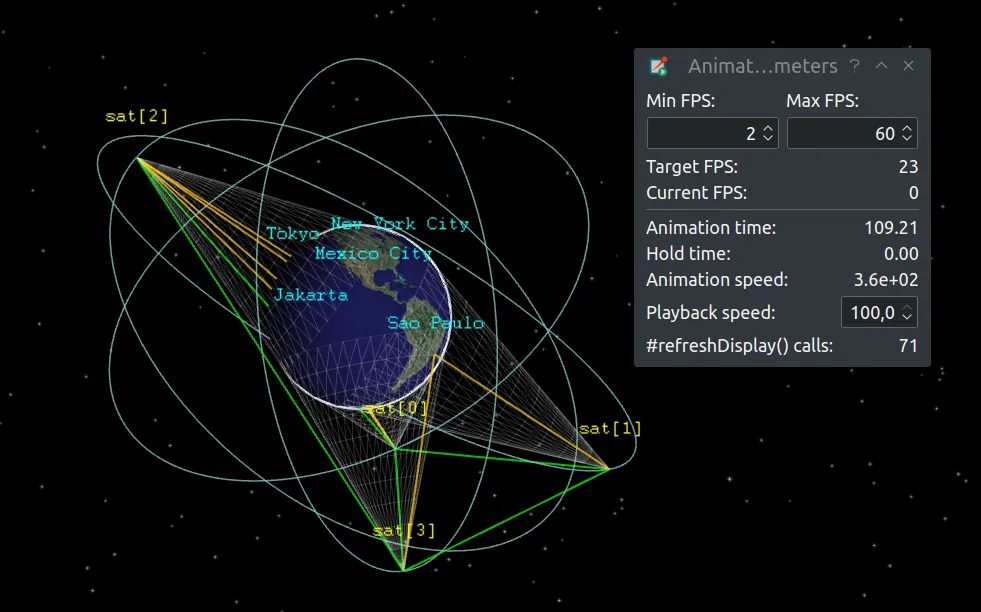
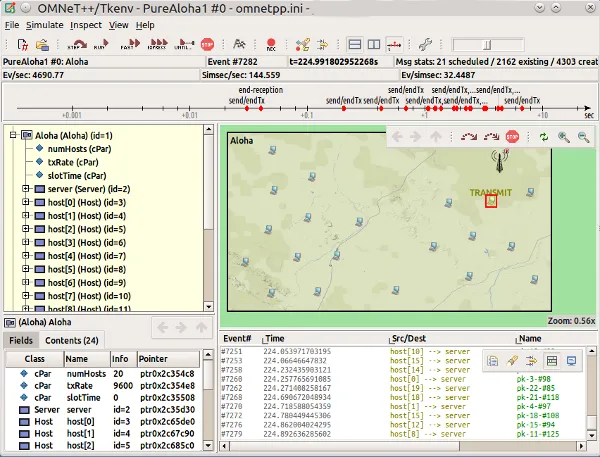
OMNeT++ is an open-source, component-based C++ simulation framework for discrete event modeling, specializing in network simulations. It supports wired/wireless protocols, offers an Eclipse-based IDE, and enables hierarchical model design. Widely used in academia and industry for research, education, and protocol validation, OMNeT++ integrates libraries like INET for realistic network scenarios. Its modular architecture and visualization tools streamline complex simulations.
1 GHz processor (single-core)
2 GB minimum
1 GB free disk space
Reviews are moderated. Your review will be published after being approved by an administrator.
Have an account? Log in to post a review, or continue below with your name and email.
Get the latest version of OMNeT++ and start using it right away.

Cisco Packet Tracer
Cisco Packet Tracer is a powerful network simulation tool developed by Cisco Systems, designed for learning, practicing, and visualizing computer networks, IoT, and cybersecurity concepts. It offers a virtual environment to create, configure, and troubleshoot network topologies with drag-and-drop simplicity, making it ideal for students, educators, and IT professionals. Also known as a network simulator, Packet Tracer supports multi-user collaboration and real-time protocol simulation.

eNSP
eNSP (Enterprise Network Simulation Platform) by Huawei is a powerful network simulator for training and practice with Huawei routers, switches, and security devices. It enables virtual network labs, supporting command-line configuration and certification preparation, such as HCIA and HCIE. Also referred to as a datacom device simulator, eNSP is essential for network engineers and students learning enterprise networking.

GNS3
GNS3 is a free, open-source network simulation tool that emulates complex network topologies using real Cisco, Juniper, and other vendor devices. Ideal for network certification training (e.g., CCNA/CCNP), it enables virtual labs, testing, and troubleshooting without physical hardware. Supports multi-vendor environments via integrations like QEMU and Docker.

EVE-NG
EVE-NG (Emulated Virtual Environment - Next Generation) is a powerful, multi-vendor network emulator for designing, testing, and troubleshooting virtual networks. It supports Cisco, Juniper, and other devices, enabling realistic lab simulations for certifications like CCNA/CCNP. Ideal for engineers and students, it offers a web-based interface for seamless topology creation and collaboration.

NS3
NS3 (ns-3) is a discrete-event network simulator designed for research and education. It's free, open-source software that enables simulation of Internet systems, supporting both IP and non-IP networks with realistic models for Wi-Fi, LTE, TCP, and mobile ad hoc routing protocols.
Fresh guides, news, and insights
Most "best console emulator" articles either try to cover everything in one flat, confusin...
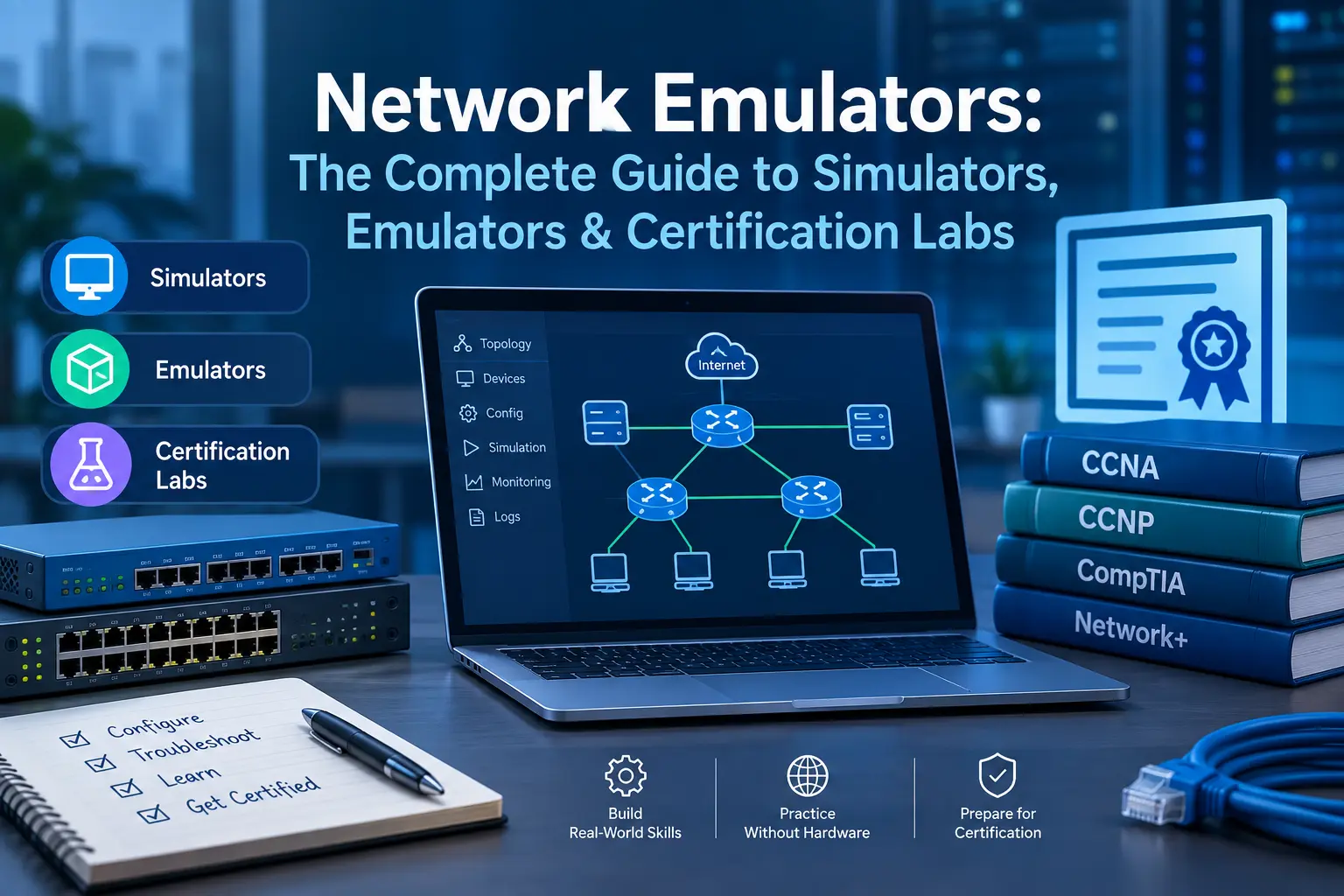
Search "network emulator" and you'll mostly find the same five tools recycled across a doz...
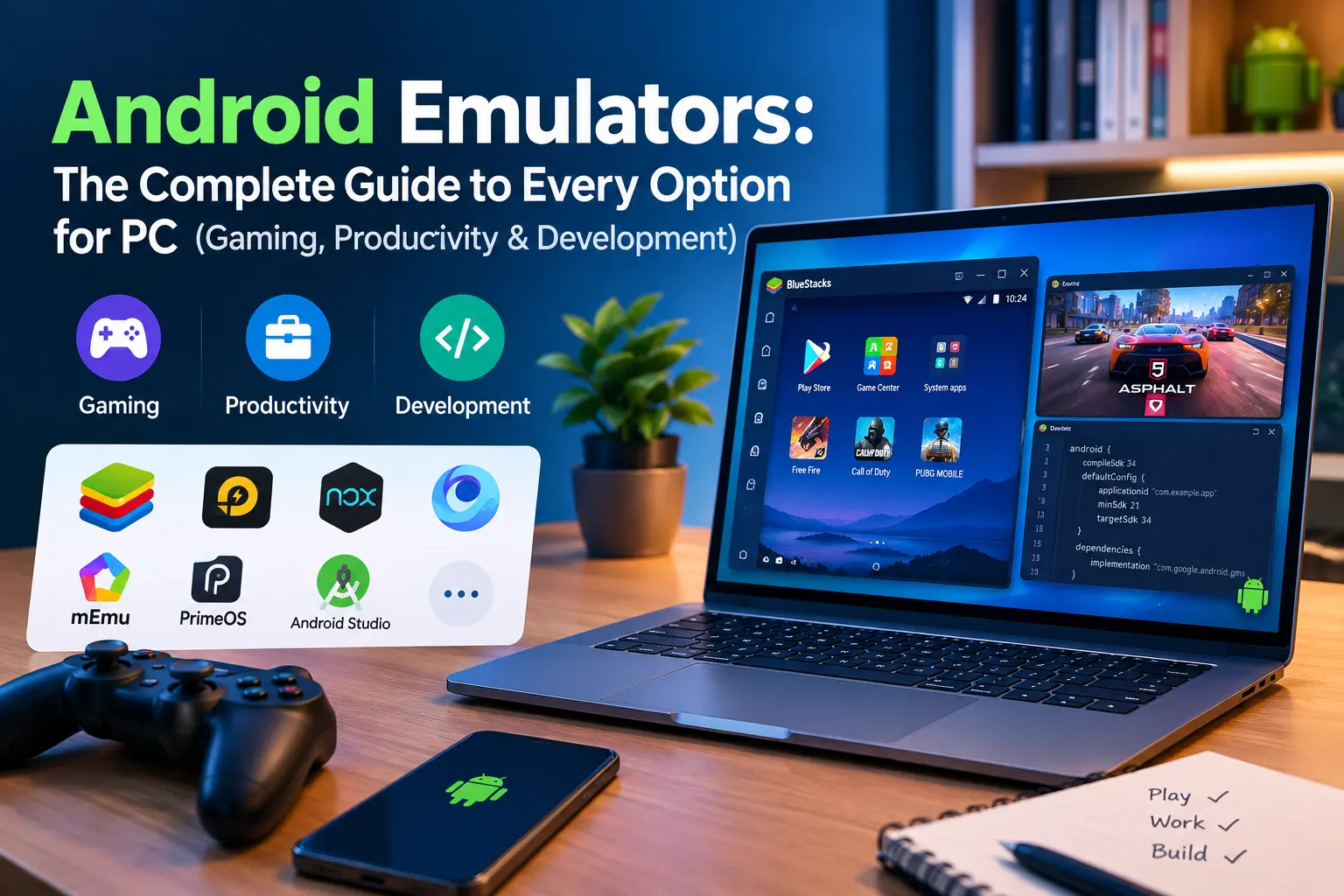
Type "Android emulator" into Google and you'll get no shortage of opinions — most of them...
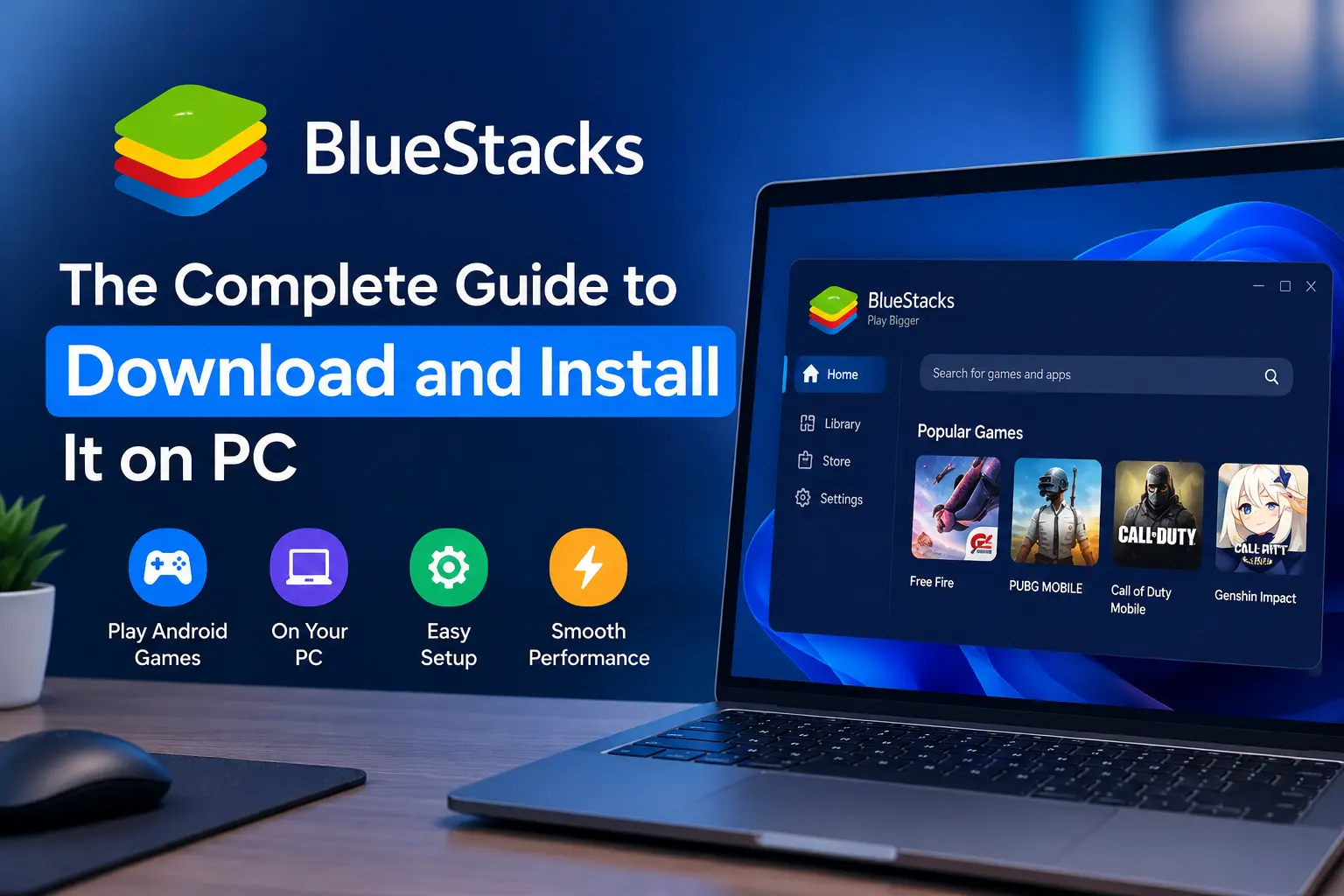
If you've ever wanted to play a mobile game on a bigger screen, or you're testing an Andro...